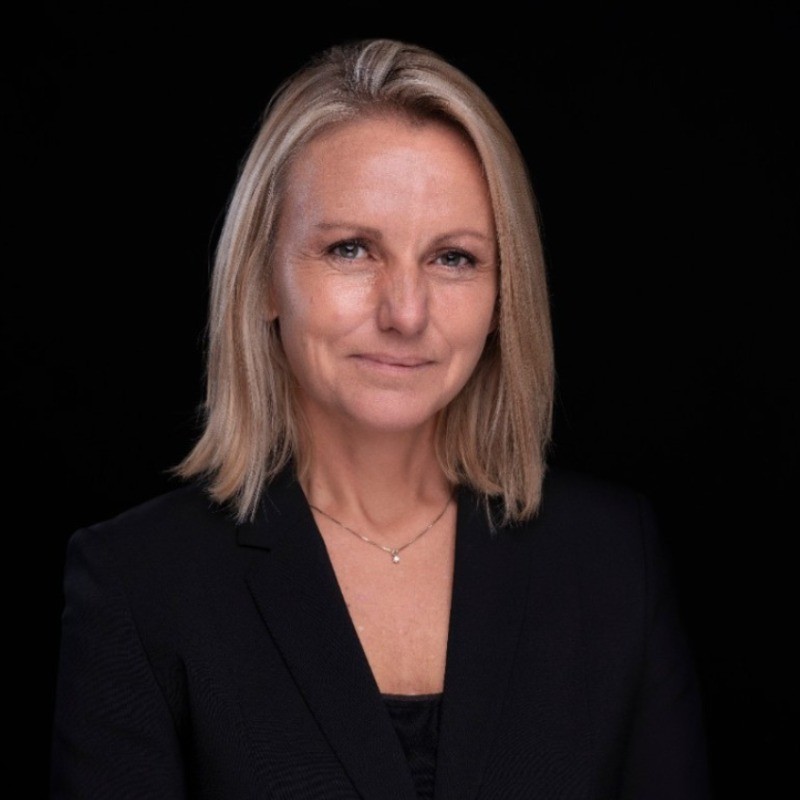
Tanja Ebbe Dalgaard
International Executive within Energy, Decarbonisation and Maritime
View LinkedIn profileEditorial note
A veteran of energy, infrastructure, and shipping at senior and board level, Tanja Ebbe Dalgaard has spent her career pushing organizations to commit before every uncertainty has disappeared.
As regulation tightens and green-fuel projects scale from the North Sea to the Gulf, the hardest questions in maritime decarbonization are no longer purely technical. Her perspective on where real progress comes from is one every operator, investor and policymaker in the sector will recognize.
From your experience leading across energy, infrastructure and shipping, what's the single most misunderstood thing about the pace of maritime decarbonization right now?
The most misunderstood thing is that maritime decarbonization is mainly a technology problem or a race to find the right fuel. It isn't—it's a systems problem. The fuels, vessels and infrastructure can be developed, but the pace depends on regulation, fuel availability, safety frameworks, customer willingness to pay, and investable business models moving together.
Green fuels remain several times more expensive than conventional ones. In your experience, what actually moves a transition like this from ambition to investment—regulation, leadership, capital, or something else?
There isn't a silver bullet. Regulation matters because it changes the economics, but regulation alone has never built an industry. Companies invest when they believe there will be a market. That means clear policy, yes, but also customers willing to commit, long-term demand, and leadership teams prepared to make decisions before every uncertainty has disappeared. Waiting for perfect certainty is usually just another way of choosing not to act.
It isn't a technology problem. It's a systems problem.
The conversation then turned to leadership, and how boardrooms actually decide.
You've sat at both the strategy and the board table. What does the boardroom tend to get right—and wrong—about committing to decarbonization?
Most boards understand that climate transition is strategically important. What I sometimes see missing is the willingness to make choices before all the answers exist. Too often, discussions become focused on avoiding downside risk instead of asking where future competitive advantage will come from. The companies creating value in this transition won't necessarily be those with the best forecasts—they'll be the ones building the right options early.
Much of the new green-fuel supply is being built in regions like the Middle East and North Africa. How will these emerging hubs reshape the global energy and shipping map?
New fuel hubs in MENA and similar regions could redraw parts of the maritime map. Shipping has always followed energy and trade flows. If green hydrogen-derived fuels scale in these regions, we may see new bunkering hubs, new industrial partnerships, and a shift in where energy advantage sits globally.
I think we're at the beginning of a fundamental reshaping of the global energy and shipping landscape. Historically, shipping routes and industrial development have followed access to affordable energy. As green fuels scale, those dynamics are likely to change again.
Regions such as the Middle East and North Africa have abundant renewable resources, strategic locations, and strong experience as energy exporters. This gives them the potential to become major suppliers of green hydrogen-derived fuels like ammonia, methanol and e-fuels.
If these projects succeed at scale, we'll see new bunkering hubs, trade corridors and industrial partnerships emerge. But success depends on more than fuel production. It requires competitive costs, investment in infrastructure, clear regulation, certification, and long-term demand from shipping and industry.
The real opportunity isn't just producing green fuels—it's building integrated ecosystems around them. Countries that connect energy production with ports, logistics and industrial demand are likely to become the new leaders in the global energy transition.
Waiting for perfect certainty is usually just another way of choosing not to act.
We closed by asking Tanja for the single message she'd want decision-makers to hear.
If you could get one message through to the executives, financiers, and policymakers steering this transition, what would it be?
My message would be: stop waiting for perfect certainty. This transition will not arrive fully de-risked. The winners will be those who build optionality, collaborate across the value chain, and move from pilots to scalable commercial models while policy, infrastructure and demand are still forming.
In closing
Maritime decarbonization is often discussed through the lens of fuels, vessels, and technology. Throughout this conversation, Tanja argues that the real challenge is broader: aligning regulation, investment, infrastructure, and leadership around a shared direction of travel.
Her perspective is a reminder that progress rarely comes from certainty—it comes from action taken before every variable is known.
Explore more Spotlight conversations, subscribe below for future interviews, or let us know if you believe your perspective belongs in the conversation.
Key perspectives from this conversation
It isn't a technology problem. It's a systems problem.
Waiting for perfect certainty is usually just another way of choosing not to act.
About the author
About Tanja Ebbe Dalgaard
Tanja Ebbe Dalgaard is an international executive and board leader with experience spanning energy, infrastructure, shipping, and decarbonization. Throughout her career she has worked at the intersection of commercial strategy, industrial transformation, and sustainable growth.
View LinkedIn profileRadius Spotlight
Who should we hear from next?
Know someone in maritime decarbonization whose perspective the industry should hear? We review every nomination editorially.
Nominate a voice →From the same sector
I don't believe the industry necessarily needs more dashboards.
Capt. Mohit Sabharwal
Master Mariner | Maritime Commercial, Operations & Technology Leader | Digital Transformation & Decarbonization
The best and most economically viable fuel is the one we do not need in the first place.
Arne Maibohm
Director Decarbonization · Hapag-Lloyd

The question shouldn't only be 'Are we compliant today?' but also 'What do these regulatory changes mean for our fleet and business decisions tomorrow?'

Simon Göß
Managing Partner · carboneer