

Editorial note
carboneer operates at the intersection where shipping's operational reality meets the evolving architecture of European carbon markets. As EU ETS complexity grows, FuelEU Maritime beds in, and the UK launches its own maritime ETS regime, Simon Göß brings a perspective that spans compliance mechanics, carbon removal, and the strategic gap that exists between being formally compliant and being truly ready for what is coming.
carboneer sits right at the intersection of compliance and voluntary carbon markets. From your perspective, are shipping companies actually ready for what's coming, or is there still a real gap between the regulation and what's operationally in place?
I would say the industry has become much more prepared, but there is still a gap between being formally compliant and being strategically ready. The first EU ETS compliance cycle actually showed very high compliance, with more than 99% of the relevant surrendering requirements met, but the regulatory landscape is becoming more complex, with FuelEU Maritime, additional greenhouse gases entering the EU ETS, and the ongoing EU ETS reform aiming to extend the system to certain vessels below 5,000 GT. The real challenge now is building systems that can anticipate these changes rather than simply reacting to each new obligation.
CBAM and EU ETS increasingly overlap for companies moving goods and fuel across borders. What's the biggest confusion you see companies have about how these two systems interact?
The biggest confusion is that CBAM is about the embedded emissions, emitted during the production process, of certain imported goods, while the EU ETS is about emissions from activities such as the fuel consumed by ships transporting those goods. Companies sometimes assume that the CO₂ generated during maritime transport needs to be included in their CBAM calculation, but under the current rules it does not. That could change, and is already being considered as part of future CBAM updates, but for now it's important to keep the two systems conceptually and operationally separate.
The real challenge now is building systems that can anticipate these changes rather than simply reacting to each new obligation.
What does good compliance actually look like in practice for a shipping company right now, versus just box-checking?
Good compliance means treating regulation as an ongoing business process, not an annual reporting exercise. Companies need reliable emissions data, clear internal responsibilities and, importantly, a process for proactively monitoring regulatory and policy developments, including the current EU ETS revision and opportunities such as the proposed SMAP (Sustainable Maritime Alternative Propulsion) funding mechanism for sustainable fuels and zero-emission propulsion. In other words, the question shouldn't only be "Are we compliant today?" but also "What do these regulatory changes mean for our fleet and business decisions tomorrow?"
Carbon dioxide removal is a newer piece of the climate puzzle. How does that connect to maritime decarbonization specifically, is it a genuine lever for shipping, or mostly relevant elsewhere?
For shipping, carbon dioxide removal should be seen as a complementary tool rather than a substitute for reducing fuel consumption and switching to lower- or zero-emission fuels, partly because of the generally high costs of permanent removal solutions. Its role is particularly relevant for residual emissions that are difficult to eliminate, so it can become part of a credible long-term climate strategy alongside efficiency, alternative fuels and operational decarbonization. The EU is developing a certification framework for high-quality removals and is considering a greater role for carbon credits in its post-2030 climate framework, including the possibility of using high-quality international credits from 2036. For shipping companies, that makes removals an area worth watching closely, it could eventually provide an additional tool for addressing residual emissions, even though it isn't currently a compliance option under the EU ETS.
The question shouldn't only be 'Are we compliant today?' but also 'What do these regulatory changes mean for our fleet and business decisions tomorrow?'
If you had to flag one regulatory change coming that most shipping companies aren't paying enough attention to yet, what would it be?
I'd flag the emergence of multiple ETS regimes, particularly the UK ETS, alongside the ongoing EU ETS revision. The UK ETS maritime regime started on 1 July 2026 for ships of 5,000 GT and above on UK domestic voyages and in-port activities, creating a separate monitoring, reporting and allowance framework, while the EU is considering further changes to its own system at the same time. For shipping companies operating across both markets, the strategic challenge is no longer simply understanding one carbon-pricing regime, but managing several evolving regimes without creating gaps or duplicating processes.
In closing
Throughout this conversation, Simon Göß draws a consistent distinction between formal compliance and strategic readiness — and argues that the industry has handled the former well without always grasping the latter.
His point about multiple ETS regimes is particularly pointed: with the UK maritime ETS live since July 2026, companies now face separate monitoring, reporting and allowance frameworks across two markets simultaneously. The regulatory architecture is not getting simpler. His framing — that companies should ask not just whether they are compliant today but what these regulatory changes mean for their fleet and business decisions tomorrow — is the shift from reactive to strategic that will define who navigates this decade well.
Explore more Spotlight conversations, subscribe below for future interviews, or let us know if you believe your perspective belongs in the conversation.
Key perspectives from this conversation
The real challenge now is building systems that can anticipate these changes rather than simply reacting to each new obligation.
The question shouldn't only be 'Are we compliant today?' but also 'What do these regulatory changes mean for our fleet and business decisions tomorrow?'
About the author
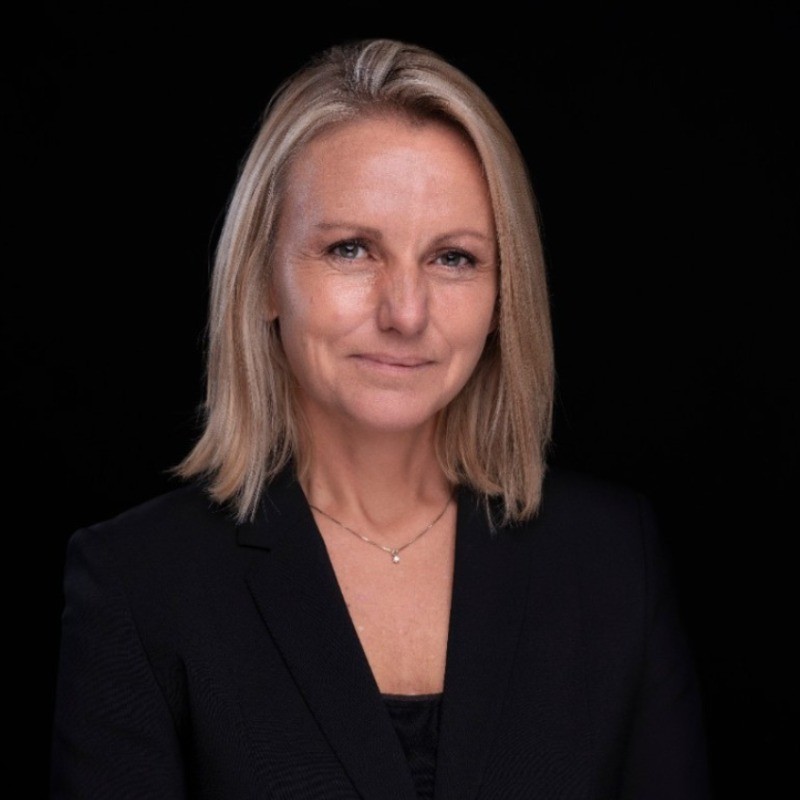
About Simon Göß
Simon Göß is Managing Partner of carboneer, specialising in EU ETS and CBAM compliance and carbon markets solutions. He works with industrial and shipping companies navigating the intersection of regulatory compliance, carbon pricing, and evolving European climate frameworks as the regulatory landscape for shipping continues to expand.
View LinkedIn profileRadius Spotlight
Who should we hear from next?
Know someone in maritime decarbonization whose perspective the industry should hear? We review every nomination editorially.
Nominate a voice →From the same sector
I don't believe the industry necessarily needs more dashboards.

Capt. Mohit Sabharwal
Master Mariner | Maritime Commercial, Operations & Technology Leader | Digital Transformation & Decarbonization
The best and most economically viable fuel is the one we do not need in the first place.

Arne Maibohm
Director Decarbonization · Hapag-Lloyd

Waiting for perfect certainty is usually just another way of choosing not to act.
Tanja Ebbe Dalgaard
International Executive within Energy, Decarbonisation and Maritime