
Editorial note
The market has moved on. It's the regulators that are still catching up.
As CEO of the Methanol Institute, Alexander Döll sits at the center of methanol's shift from pilot fuel to commercial reality. With 29 production facilities running, more than 120 methanol-capable vessels on the water and over 360 on order, his argument is not that the technology needs proving. It is that policy needs to catch up with an industry already moving.
Green and low-carbon methanol is moving from pilot projects toward commercial scale. From where you sit, what's the single biggest thing that has to happen for it to become a mainstream marine fuel rather than a niche one?
A few years ago, the biggest question was whether methanol could become a viable marine fuel. Today, that question has been answered. The market has moved on. It's the regulators that are still catching up.
Just look at what is happening on the ground. Today, 29 facilities around the world are producing low-carbon and renewable methanol, and many more are under construction. More than 120 methanol-capable vessels are already on the water, over 360 are on order, and more than 45 ports globally either offer or are actively preparing to offer methanol bunkering.
These aren't pilots. They are commercial investments backed by companies making long-term decisions.
The biggest thing that needs to happen now is regulatory certainty, particularly at the IMO. The industry doesn't need more proof that methanol works. It needs a clear, global framework that gives producers, shipowners, and investors the confidence to commit capital at scale.
The impact of that certainty is enormous. Under today's policy environment, global renewable methanol production capacity could reach 6–12 million tonnes by 2031. With a clear and predictable regulatory framework, that could increase to around 50 million tonnes. That's the difference clear policy can make.
The technology is here. The market is moving. What we need now is regulation that matches the pace of industry.
The cost gap is still significant — green methanol and ammonia remain several times more expensive than conventional fuel. What actually closes that gap in practice: regulation, offtake commitments, production scale, or something else?
If I had to choose one, it would be regulatory ambition. The industry doesn't lack technology or projects. What it lacks is a market signal strong enough to reward those who are ready to invest.
That's why adopting the IMO's Net-Zero Framework matters. What the industry needs is regulation that creates a market. Existing measures like FuelEU Maritime are an important start, but they will need to evolve if we want to unlock the level of investment needed to decarbonise shipping.
We also need to stop treating the green premium as something unique to clean fuels. Every new technology carries a premium in its early years. Conventional marine fuels have benefited from decades of investment, mature infrastructure and continued government support. It's not a level playing field.
And price is only one part of the equation. Through initiatives like green corridors, we're seeing that success depends on the whole value chain: fuel production, bunkering infrastructure, port readiness, logistics, and collaboration. When those pieces come together, efficiency improves, production scales up, and costs come down.
The green premium isn't permanent. It's the cost of building a new market, and ambitious policy is what will give that market the scale it needs.
The market has moved on. It's the regulators that are still catching up.
You work across fuels and chemicals. What does the rest of the industry tend to underestimate about the production and supply side of clean fuels?
I think people often underestimate that producing the fuel is only one piece of the puzzle. The real challenge is building an ecosystem.
Clean fuels don't exist in isolation. You need feedstocks, production, transport, storage, bunkering, certification, financing, customers willing to sign long-term offtake agreements and a regulatory framework that gives everyone the confidence to invest. If one part of that chain is missing, the whole system struggles.
That's where methanol has a real advantage. It provides a practical transition pathway because it's the same molecule, whether it's produced from conventional, low-carbon or renewable feedstocks. As production becomes lower carbon over time, you don't need to reinvent the entire value chain. The infrastructure, logistics and operational experience continue to build on one another.
I also think we sometimes overlook the strategic value of that flexibility. Low-carbon and renewable methanol can be produced from a wide range of feedstocks: from natural gas with carbon capture to biomass, municipal waste, and renewable hydrogen and biogenic CO₂. That allows countries to develop production based on their own resources, improving both energy security and supply resilience while accelerating decarbonisation.
The conversation then turned to where in the world that production is taking shape.
A lot of new green-fuel supply is being built in regions like the Middle East and North Africa. How do you see these emerging production hubs shaping the global fuel map over the next few years?
The Middle East and North Africa have all the ingredients to become major hubs for low-carbon and renewable fuels.
The regions combine abundant solar and wind resources, available land, strategic access to global shipping routes, and decades of experience as energy exporters. This gives them the potential to produce renewable fuels at scale.
At the same time, demand is growing in regions like Europe, which are looking not only to decarbonise but also to diversify their energy imports. That can create a natural partnership.
Europe needs reliable, competitive imports of clean fuels, while countries across the MENA region have the resources and ambition to become leading suppliers. It works both ways.
We're already seeing that momentum. Last year, the Methanol Institute signed an MoU with Saudi Arabia's Transport General Authority to support research, pilot projects, training and knowledge sharing on methanol as a marine fuel. Oman is also positioning itself as a future hub for renewable methanol, with major projects under development that combine production with bunkering for international shipping.
More broadly, I think this illustrates an important point: the energy transition isn't just about replacing one fuel with another. It's reshaping global energy trade. Regions that can produce clean fuels competitively will play a key role in the next generation of international energy markets.
The biggest risk isn't moving too early — it's waiting too long.
If you could get one message through clearly to the shipowners, financiers, and policymakers deciding the pace of this transition, what would it be?
Don't focus only on the destination, focus on the journey to get there.
We spend a lot of time talking about the end goal of net zero, but shipping operates in the real world, not in the future. Ships are being ordered today. Infrastructure is being built today. Investment decisions are being made today, and those decisions will shape the industry for the next 25 years.
Shipowners aren't looking for just one thing. They need competitive fuel prices, confidence that fuel will be available wherever they operate, and regulatory certainty that their investment will still make sense decades from now. If we want them to invest, we need to provide all three.
That's why methanol has such an important role to play. It offers a practical pathway that can start with conventional methanol and progressively transition to low-carbon and renewable methanol as production scales. We don't have to wait for the perfect solution before taking meaningful action.
The biggest risk isn't moving too early—it's waiting too long. If everyone waits for someone else to move first, the transition slows for everyone.
In closing
Throughout this conversation, Alexander Döll makes one argument consistently: the methanol transition is not waiting for proof of concept. It is already underway at commercial scale, with production facilities, vessels, and bunkering infrastructure all expanding in parallel.
What he is asking for is not patience. It is policy that moves at the same pace as the industry it is meant to govern. The market, he argues, has already answered the question of whether methanol works. The remaining question is whether regulators and policymakers will answer in time.
Explore more Spotlight conversations, subscribe below for future interviews, or let us know if you believe your perspective belongs in the conversation.
Key perspectives from this conversation
The market has moved on. It's the regulators that are still catching up.
The biggest risk isn't moving too early — it's waiting too long.
About the author
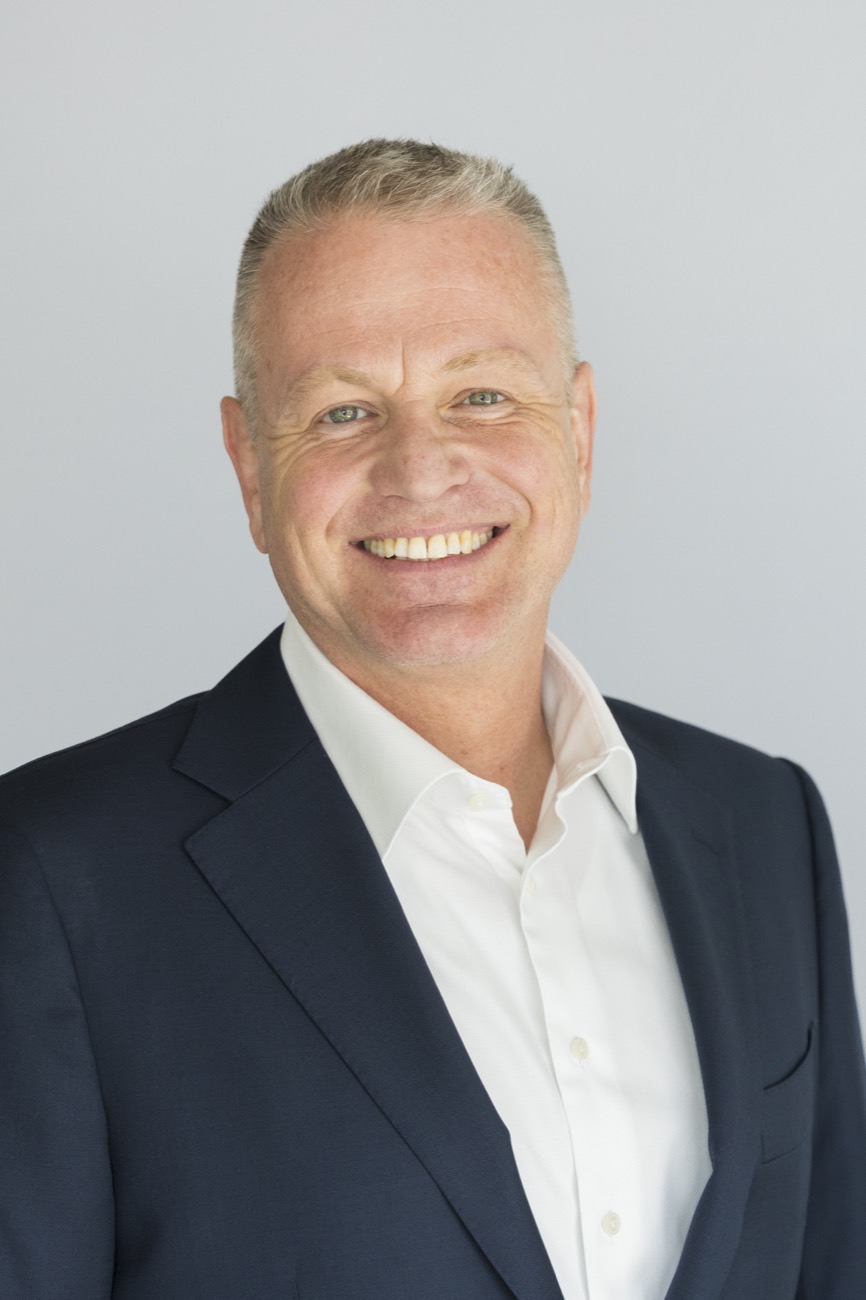
About Alexander Döll
Alexander Döll is CEO of the Methanol Institute, the global trade association for the methanol industry. He leads the Institute's work across fuels, chemicals, and energy policy, engaging with producers, shipowners, regulators, and governments to advance the role of methanol in the energy transition.
View LinkedIn profileRadius Spotlight
Who should we hear from next?
Know someone in maritime decarbonization whose perspective the industry should hear? We review every nomination editorially.
Nominate a voice →From the same sector
The best and most economically viable fuel is the one we do not need in the first place.
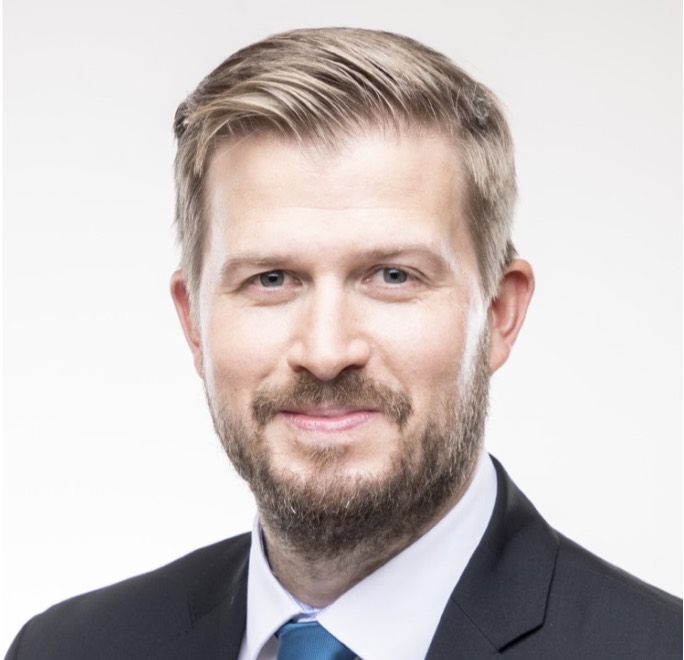
Arne Maibohm
Director Decarbonization · Hapag-Lloyd
At least 80 percent of the investments required to decarbonize shipping needs to be made in other segments of the value chain than within the shipping industry itself.
Nina Porst
Executive Director, Sustainable Ships & Skills · Danish Shipping